How to Chip a Golf Ball: Technique, Drills & Common Mistakes
Most golfers waste more shots around the green than anywhere else on the course. A chip that rolls up close leaves a straightforward putt. A fluffed chip, a chunk, or a blade across the green turns a bogey into a double without warning.
The chip shot is not complicated - but it requires a specific setup and a different mindset to a full swing. Get it right and your scoring improves immediately, regardless of how you hit the ball from the tee.
Straight to the Pin
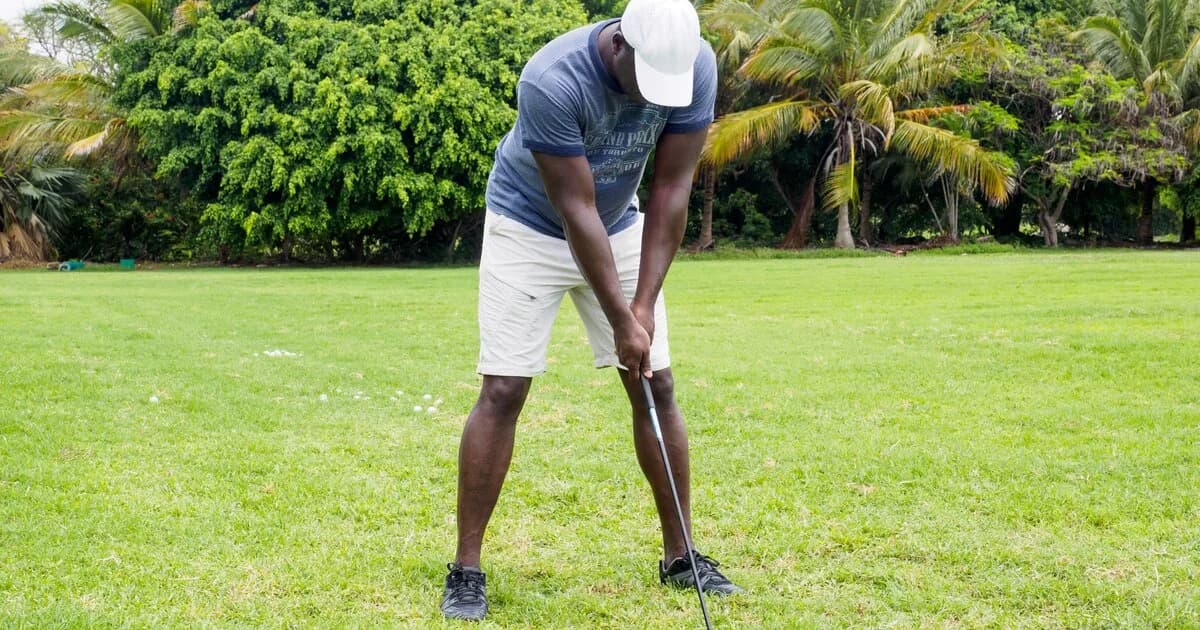
Clean chips come from the setup: ball back of centre, 60-70% of your weight on the lead foot, hands ahead so the shaft leans towards the target, and a narrow stance. Use your shoulders to rock the club with no wrist hinge, accelerate through the ball rather than decelerate, and pick a less-lofted club like a 7 or 8 iron when you have green to run the ball out. If you keep chunking or blading chips, a short game lesson with a PGA pro will spot the cause in one session.
What Is a Chip Shot?
A chip is a low-running shot played from just off the green - typically within 20 yards of the flag. The ball spends a short time in the air and most of its journey rolling along the ground. Think of it as a long putt with a small lift at the start.
This is different to a pitch, which carries the ball higher and further through the air, and a bump-and-run, which is a more deliberate low shot played with a less-lofted club from further out.
The Basic Chip Shot Setup
Get the setup right and the swing almost takes care of itself.
Club selection Most beginners reach for a sand wedge for every chip. A 7 or 8 iron is often better - it produces a lower flight and more roll, which is easier to judge. The general rule: use enough loft to clear any rough or fringe between you and the green, then let the ball run to the hole.
Ball position Place the ball just back of centre in your stance - towards the trail foot (right foot for right-handed golfers). This encourages a slightly descending strike, which creates clean contact.
Weight distribution 60–70% of your weight on the lead foot at address, and keep it there throughout. Shifting weight back through the shot is the most common cause of heavy chips and thin blades.
Hands ahead At address, push your hands slightly forward so the shaft leans towards the target. This de-lofts the club and sets you up for a crisp, descending strike.
Narrow stance Feet closer together than a full shot. The chip is an arms-and-shoulders movement - you don't need width or rotation.
The Chipping Stroke
Once the setup is correct, the stroke is simple:
- Use your shoulders to rock the club back - no wrist hinge
- Keep the triangle formed by your arms and chest intact throughout
- Accelerate through the ball - never decelerate into impact
- Finish with the club low and the face pointing at the target
The key word is accelerate. Most poor chips come from slowing down through the ball - a defensive instinct that produces heavy, fluffed contact. Commit to the shot and swing through.
Note
Think of chipping like throwing a ball underarm. You wouldn't slow your hand as it passed the ball. The same applies here - the momentum carries through the contact point.
Common Chipping Mistakes
The chunk (fat chip) Caused by weight drifting to the trail foot on the downswing. The club bottoms out behind the ball. Fix: keep 70% of weight on the lead foot throughout, and don't let it move.
The blade (thin chip) Caused by trying to help the ball into the air by scooping with the hands. The leading edge catches the equator of the ball. Fix: trust the loft of the club, keep hands ahead, and let the club do the lifting.
Decelerating through impact A fear response. The swing gets shorter and tighter approaching the ball. Fix: make a shorter backswing and commit to a full follow-through. The swing should always be longer through than back.
Wrong club choice Reaching for the wedge when a 9 iron would be easier. Fix: ask yourself how much green you have to work with. If the flag is at the back of the green, use a less-lofted club and let it run.
Three Drills to Improve Your Chipping
Drill 1: The coin drill Place a small coin 2 inches in front of the ball. Your goal is to strike the ball and then clip the coin on the way through. This teaches a descending strike and prevents scooping.
Drill 2: One-handed chipping Chip using only your lead hand (left hand for right-handed players). This removes the dominant hand from controlling the shot and trains the correct shoulder-led motion. Even 10 minutes of this at the range makes a difference.
Drill 3: Land spot practice Instead of aiming at the hole, pick a spot on the green where you want the ball to land - roughly one third of the way to the flag. Chip to that spot, not the hole. This changes your focus from result to process, and your distance control improves quickly.
Choosing the Right Club
| Distance from green | Recommended club |
|---|---|
| 1–3 yards off | Sand wedge (SW) or gap wedge |
| 3–10 yards off, lots of green | 9 iron or pitching wedge |
| 10–20 yards off, flat lie | 7 or 8 iron |
| Long rough between ball and green | Lofted wedge regardless |
The goal is always to get the ball onto the putting surface as quickly as possible and let it roll the rest of the way. More air time means more variables.
When to Get a Lesson
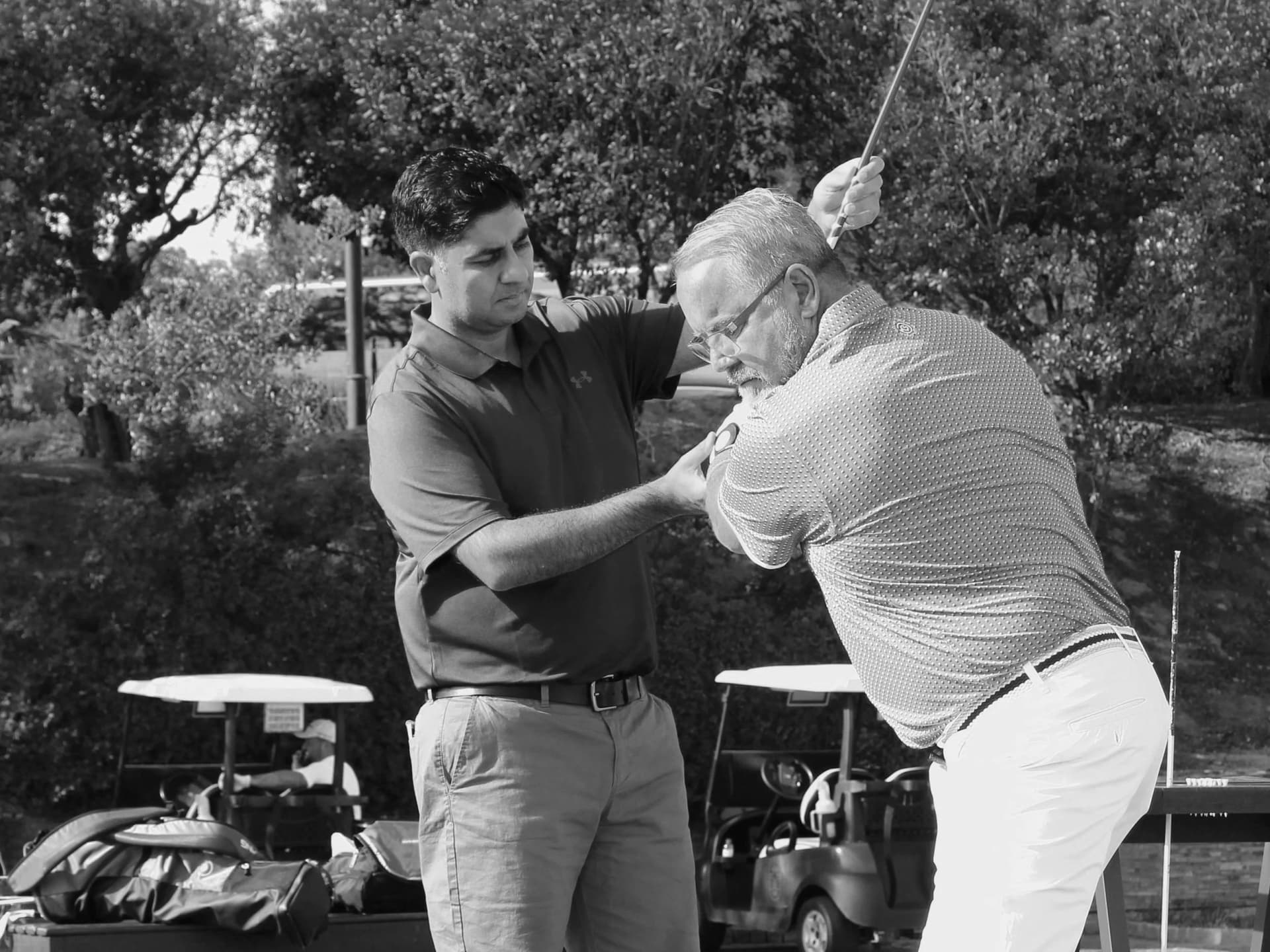
Chipping technique is one of the areas a PGA professional can fix fastest. The setup habits that lead to chunked and bladed chips are usually visible immediately and correctable in a single session. If you're losing two or three shots per round around the greens, a short game lesson is one of the best investments in your golf.
Browse golf lesson vouchers or use our Gift Finder to find the right lesson type for your game.
See also: how to improve your golf swing, how to grip a golf club, how to stop slicing the ball.
Founder & Tour Professional
Sandeep Grewal is a former tour professional and the founder of Swyng. He personally handles every booking and redemption.
About Sandeep