How to Pitch in Golf: Control and Consistency Around the Green
Pitching is one of the highest-leverage skills in amateur golf. Tour professionals save par from around the green at an impressive rate partly because they've committed thousands of hours to this one area. For most amateurs, it's neglected - one bucket of range balls on the driver for every half-hour of short game work, roughly the opposite of what the data suggests you should do.
Straight to the Pin
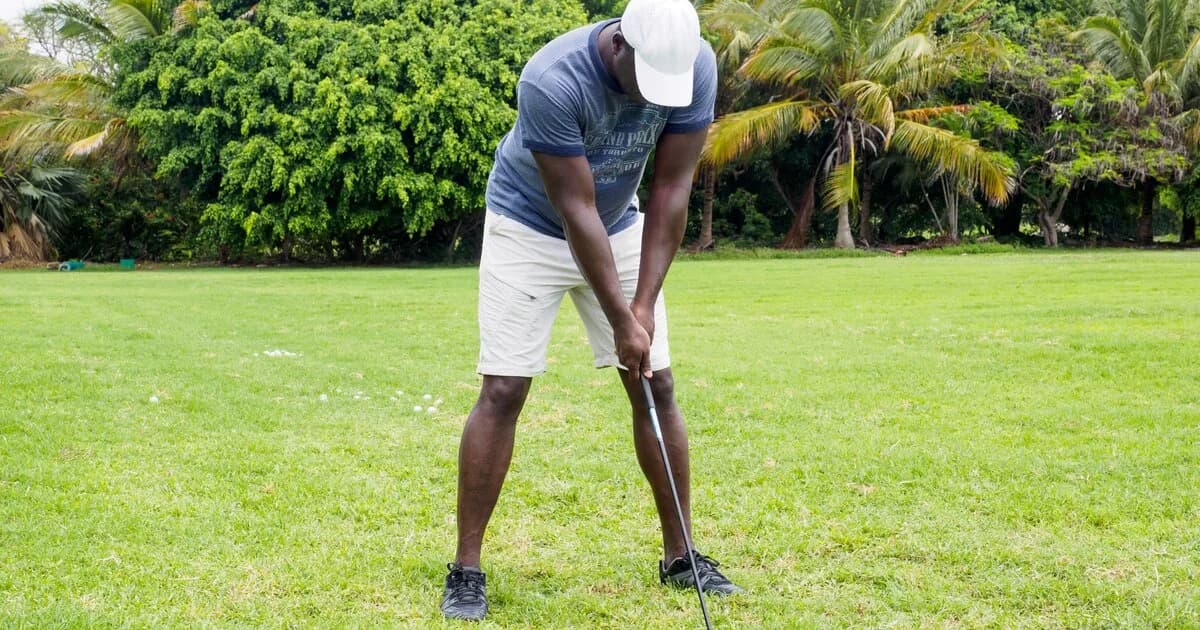
A reliable pitch from 10 to 100 yards starts with the setup: narrow, slightly open stance, ball in the middle, 60% of your weight on the front foot, and light grip pressure. Take the club back with arms and shoulders together, rotate your body through so your chest faces the target, and control distance with backswing length, not swing speed - think of a clock face for short, mid, and full pitches. Avoid the common errors of scooping and decelerating by keeping your hands leading and committing to the swing. A short game lesson with a PGA pro can read your impact position and pinpoint exactly what to fix.
What Pitching Is and When to Use It
A pitch shot is a high, relatively soft shot designed to carry most of its distance in the air and stop close to where it lands. Use a pitch when:
- You're too far from the green to chip and run
- There's an obstacle between you and the green (a bunker, rough, or steep slope)
- The green is running fast and you need the ball to stop quickly
- You're between 10 and 100 yards from the flag
The Setup
Stance: Narrow and slightly open - feet roughly hip-width apart, left foot pulled back slightly from the target line. This clears your hips for a proper through-swing.
Ball position: Middle of your stance. Too far forward encourages thin shots; too far back creates steep, heavy contact.
Weight: 60% on your front foot and keep it there. Shifting weight back through the swing - a classic pitching error - produces fat shots.
Grip: Normal, but grip pressure should be light. Tense forearms kill the feel you need for distance control.
The Swing
The pitch swing is a shortened version of a full swing - the same tempo, same mechanics, smaller arc.
- Take the club back with your arms and shoulders together - avoid hinging the wrists early, which creates an overly steep angle
- Let the wrists hinge naturally as the club reaches hip height
- Rotate your body through the shot - your chest should face the target at the finish, not your hands
- Follow through to a matching finish - if your backswing was to hip height, your follow-through should reach the same point on the other side
Top Tip
A useful image for distance control: think of your arms as a clock face. A 7 o'clock to 5 o'clock swing for short pitches, 9 to 3 for mid-range, and a fuller swing for longer shots. Practise each clock position with the same tempo and your yardages will become consistent and repeatable.
The Most Common Mistakes
Scooping. Trying to help the ball into the air by flipping the wrists at impact causes thin, inconsistent shots. The loft of the club gets the ball airborne - trust it and keep your hands leading through impact.
Decelerating. A shot that slows down into the ball produces the dreaded chunk or shank. Commit to the swing - a confident, smooth acceleration is safer than a tentative one.
Inconsistent tempo. Varying how fast you swing makes distance control impossible. Focus on the same tempo every time and change only the length of the swing.
Ignoring the slope. If the ball is above your feet, it'll fly slightly left and land softer. Below your feet, it'll fly slightly right and run more. Adjust your aim and club selection accordingly.
Developing Feel: Practice Approaches
Ladder drill: Start with your smallest swing and hit shots to targets at 20, 40, 60, and 80 yards, using the same club and changing only backswing length. You'll quickly build an understanding of what each swing produces.
Land zone practice: Pick a spot on the green rather than the flag and try to land the ball there. This shifts focus from outcome (the flag) to process (the contact point), which sharpens your feel significantly.
When to Book a Lesson
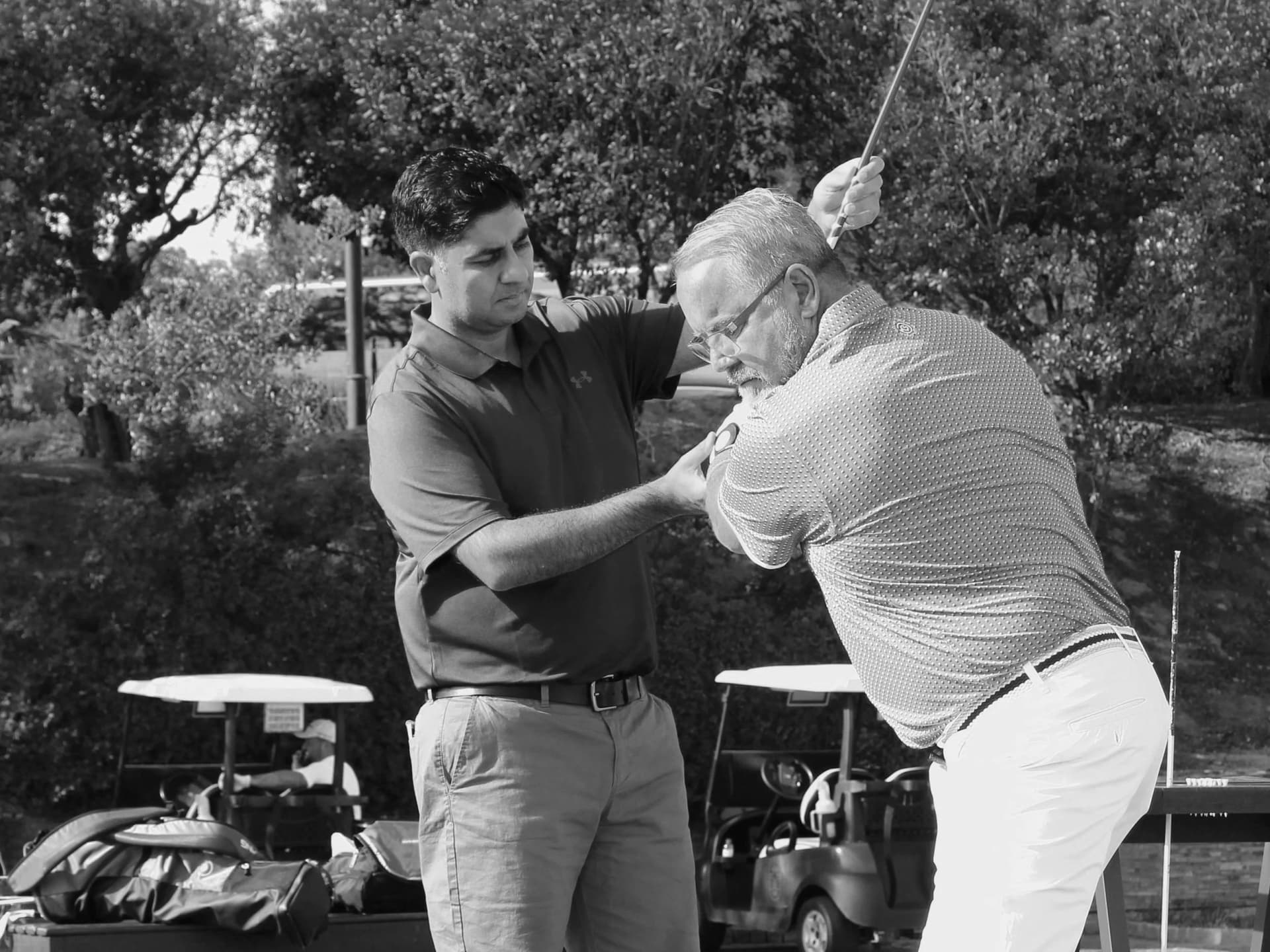
Pitching is one area where a focused lesson pays back quickly. A PGA professional can watch your impact position and identify whether you're scooping, decelerating, or swinging on a poor plane - and fix it in a session.
Browse Browse Our Gift Vouchers or use our Gift Finder.
See also: how to chip in golf, improve your putting, how to hit out of a bunker.
Frequently asked questions
What is the difference between a pitch and a chip?
A chip is a low, running shot played close to the green - the ball spends more time on the ground than in the air. A pitch travels higher and lands softly with more spin, stopping nearer to where it lands. Pitches are used from 10 to 100 yards; chips from just off the green edge.
What club should I use for pitching?
A pitching wedge (44–48 degrees) or gap wedge (50–52 degrees) is the standard choice for full pitch shots. For shorter, softer pitches around the green, a sand wedge or lob wedge gives more height and spin.
How do I control distance with a pitch shot?
Distance control in pitching comes from controlling the length of your backswing rather than changing swing speed. A consistent tempo with a shorter backswing for shorter shots and a longer backswing for longer shots is far more reliable than trying to hit harder or softer.
Founder & Tour Professional
Sandeep Grewal is a former tour professional and the founder of Swyng. He personally handles every booking and redemption.
About Sandeep