How to Improve Your Short Game: The Shots That Lower Your Score

The scorecard doesn't record how you got there - only how many shots it took. And for most golfers, the majority of shots in a round come from within 100 yards of the green. The short game is where scores are made, and it's also the area where improvement comes fastest with focused practice.
Straight to the Pin
Most shots are lost inside 100 yards, so work in order of priority: putting first with a pendulum stroke and a focus on distance control, then the chip and run with the ball back and weight on the front foot, then pitching where you change backswing length rather than swing speed. For bunkers, open the face, set up open, enter the sand two inches behind the ball, and follow through high. A short game lesson with a PGA pro gives you live feedback on a practice green, which is where these skills click fastest.
Why the Short Game Matters More Than Most Golfers Think
A missed fairway might cost you one shot. A poor short game costs you multiple shots on almost every hole. The data is consistent: club handicaps track more closely with short game statistics than with driving distance or greens in regulation.
The good news: short game skills are highly trainable with focused practice. You don't need exceptional athleticism, physical strength, or expensive equipment to become a reliable short game player. You need repetition, the right technique, and an understanding of what you're trying to do.
Putting First
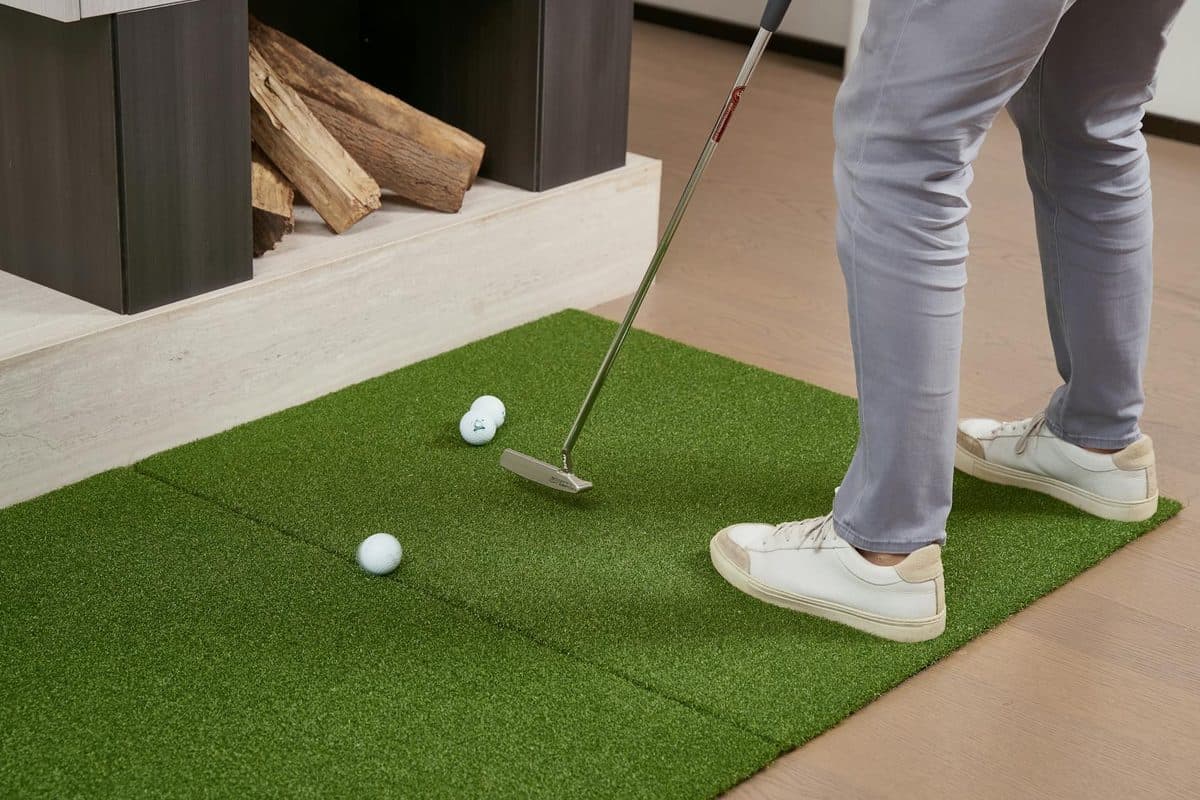
Putting is the highest-leverage short game skill. Every hole ends with a putt. A player who three-putts four times per round has four shots to reclaim before they touch a driver.
The key fundamentals:
- A consistent, pendulum-style stroke with no wrist breakdown
- Eyes over the ball at address
- A grip pressure light enough to feel the putter head throughout the stroke
- Committed acceleration through the ball - no deceleration
Distance control over direction: Most three-putts come from poor pace control, not misread lines. Practise long putts (25 to 40 feet) with the specific goal of getting within a 3-foot circle. This shifts your focus to pace rather than direction, which is where the strokes are.
Chipping: The Default Shot from Off the Green
When you're just off the green with nothing in the way, a chip and run is your safest option. It's the most consistent shot in the short game because it minimises air time and maximises ground time.
The chip technique:
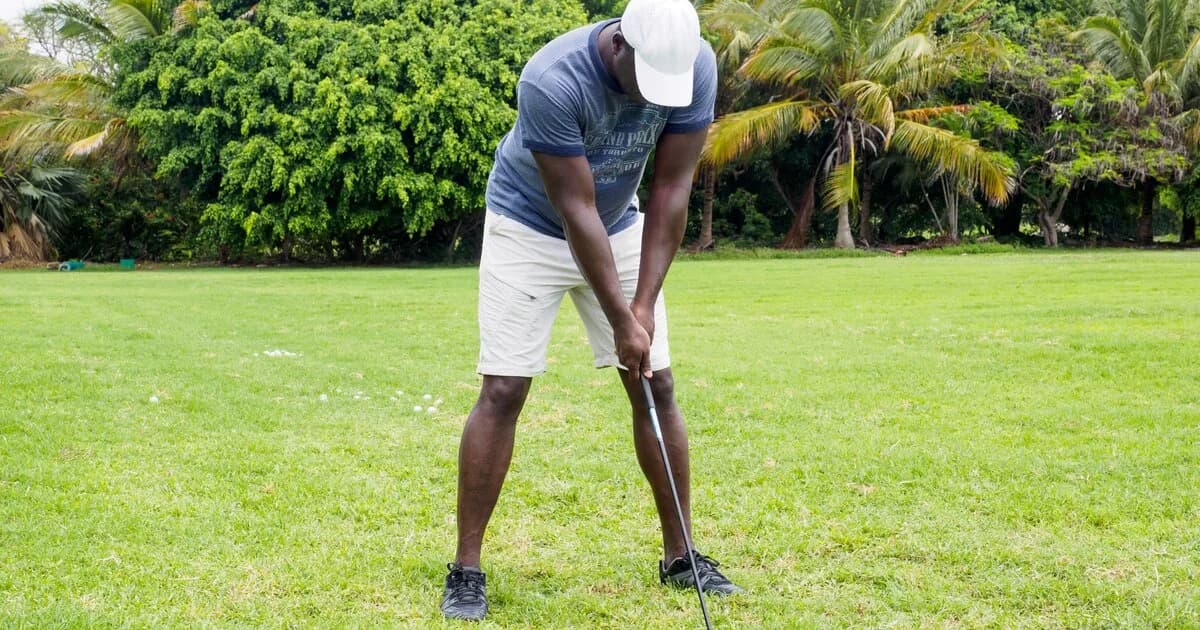
- Narrow, slightly open stance with weight on the front foot
- Ball back in the stance, hands ahead of the ball
- Arms and shoulders move together - no wrist action
- Short, controlled follow-through matching the backswing length
Club selection: The chip and run works with anything from a 7-iron to a pitching wedge. A 7-iron rolls more; a pitching wedge carries a little further and rolls less. Match the roll-out to the distance between the edge of the green and the flag.
Top Tip
The "bump and run" mindset: whenever you can putt, putt. When you can't putt, chip. When you can't chip, pitch. Using the simplest shot available reduces variables and lowers your score. Most golfers reach for the lob wedge when a 7-iron and a bump would be more reliable.
Pitching: The Controlled Distance Shot
Pitching - higher, softer shots from 15 to 80 yards - requires the ability to control distance through backswing length rather than swing speed.
The key: keep tempo constant and change only how far back you take the club. Develop a feel for three lengths - a small swing, a medium swing, and a full swing - and know what distance each produces with your wedges. This is the foundation of reliable distance control.
The most common mistake: decelerating through the ball. Commit to the swing. A confident, smooth follow-through beats a tentative one every time.
Bunker Play: Making Sand a Non-Event
Fear of bunkers adds shots before the ball even lands there. Once you understand that a greenside bunker shot doesn't require direct contact with the ball - you're hitting sand, and the sand carries the ball out - it becomes a manageable shot.
Open the face before you grip, set up slightly open, enter the sand 2 inches behind the ball, and follow through high. The shot requires commitment, not delicacy.
Where a Lesson Makes the Biggest Difference
You can groove these techniques on your own, but the short game is where a trained eye pays for itself fastest. A PGA professional reads your contact point, face angle and weight position in real time, the small setup faults behind fat chips, bladed pitches and bunker shots that never escape. Most golfers correct in a single hour what they have fought for years, because they finally feel what a clean strike is meant to feel like.
A Short Game Practice Routine
15 minutes, four times a week:
-
6-foot putting circle drill (5 mins): Place 4 balls in a circle around the hole at 6 feet. Hole all 4 before moving out to 8 feet. Repeat. Builds pressure putting and builds confidence.
-
Chip to a hoop (5 mins): Place a hoop or towel 2 feet past the edge of the green. Chip from various positions around the green, landing in the hoop. This trains the carry-to-run relationship.
-
Pitch ladder (5 mins): From 20, 40, and 60 yards, hit 3 balls to each distance. Focus on landing zone rather than the flag.
See also: how to chip in golf, how to pitch in golf, improve your putting, how to hit out of a bunker.
Frequently asked questions
What is the most important part of the short game?
Putting. Every green you hit requires at least one putt; most require two or more. Reducing your putts by even one per round saves a stroke immediately. After putting, chipping and pitching from within 50 yards are where most shots are lost or saved.
How much time should I spend practising my short game?
Tour professionals spend more than half of their practice time on short game. For a club golfer, a 60/40 split in favour of short game over long game is a reasonable target - most people do the opposite. Even 20 minutes of focused short game work per practice session produces measurable results quickly.
What's the difference between chipping and pitching?
A chip is a low, running shot played from just off the green - the ball spends more time on the ground than in the air. A pitch is a higher shot that lands softer, used from further away or when there's an obstacle in the way. Both require different techniques and club selections.
Founder & Tour Professional
Sandeep Grewal is a former tour professional and the founder of Swyng. He personally handles every booking and redemption.
About Sandeep