Golf for Beginners UK: How to Start Playing Golf
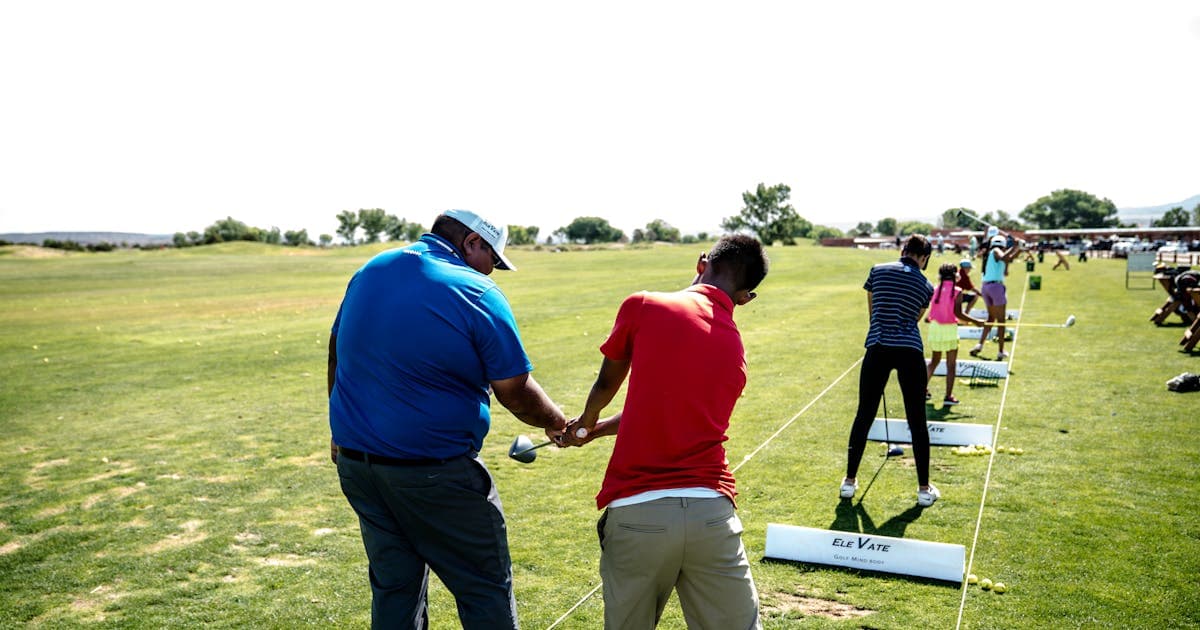
Golf is one of the easiest sports to start and one of the hardest to master. The good news: you don't need to master it to enjoy it. Here's everything you need to know to get started in the UK.
Straight to the Pin
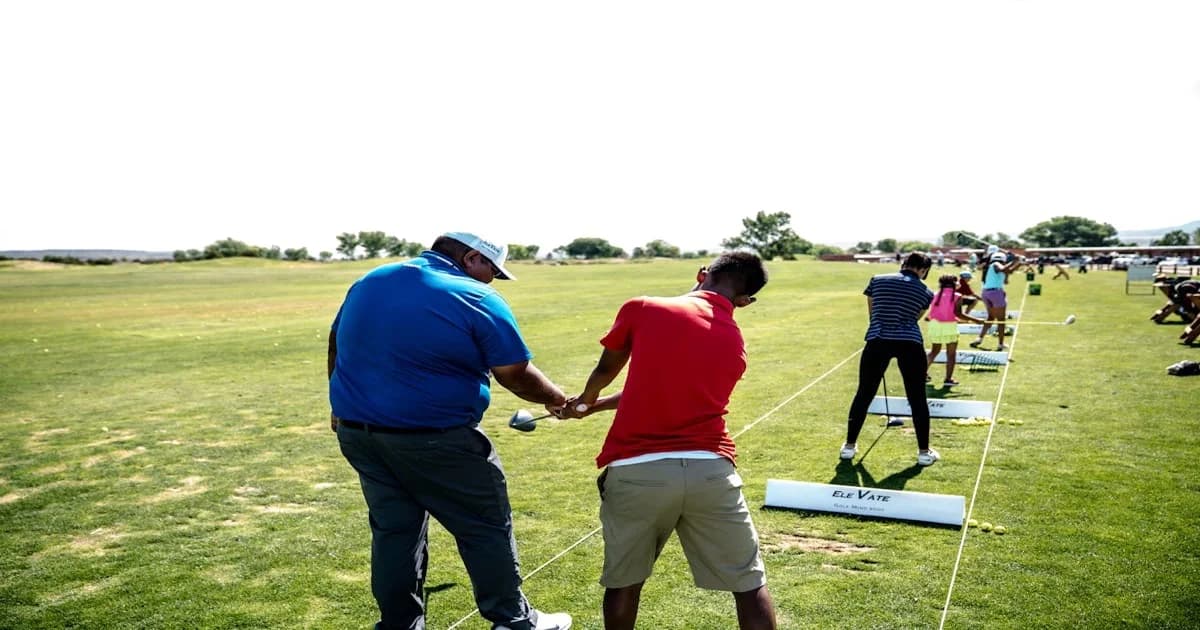
The biggest beginner mistake is buying clubs before your first lesson, so book a PGA lesson first and use hire equipment until a coach assesses you. Your first session covers grip, stance, posture and alignment at a range, and most people play their first round after 4 to 8 lessons, starting on a 9-hole pay-and-play course with no club membership needed. A beginner coaching package with a PGA pro is the simplest way to take that first step properly.
Step 1: Book a Lesson Before You Buy Anything
The most common beginner mistake is buying a set of clubs before taking a single lesson. Don't do it.
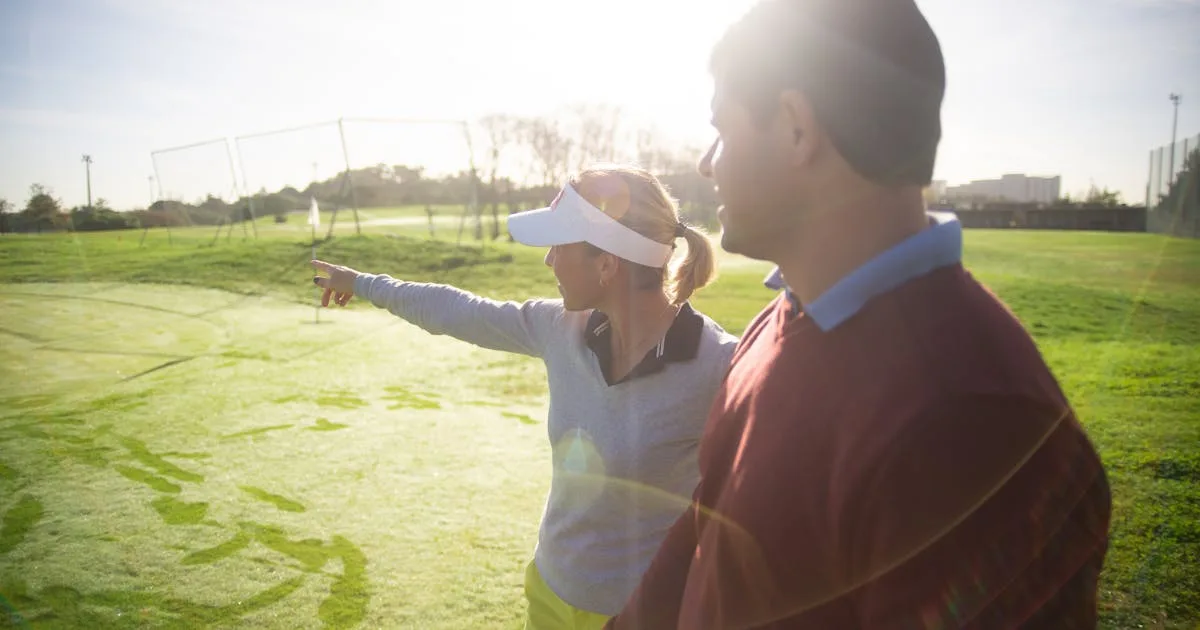
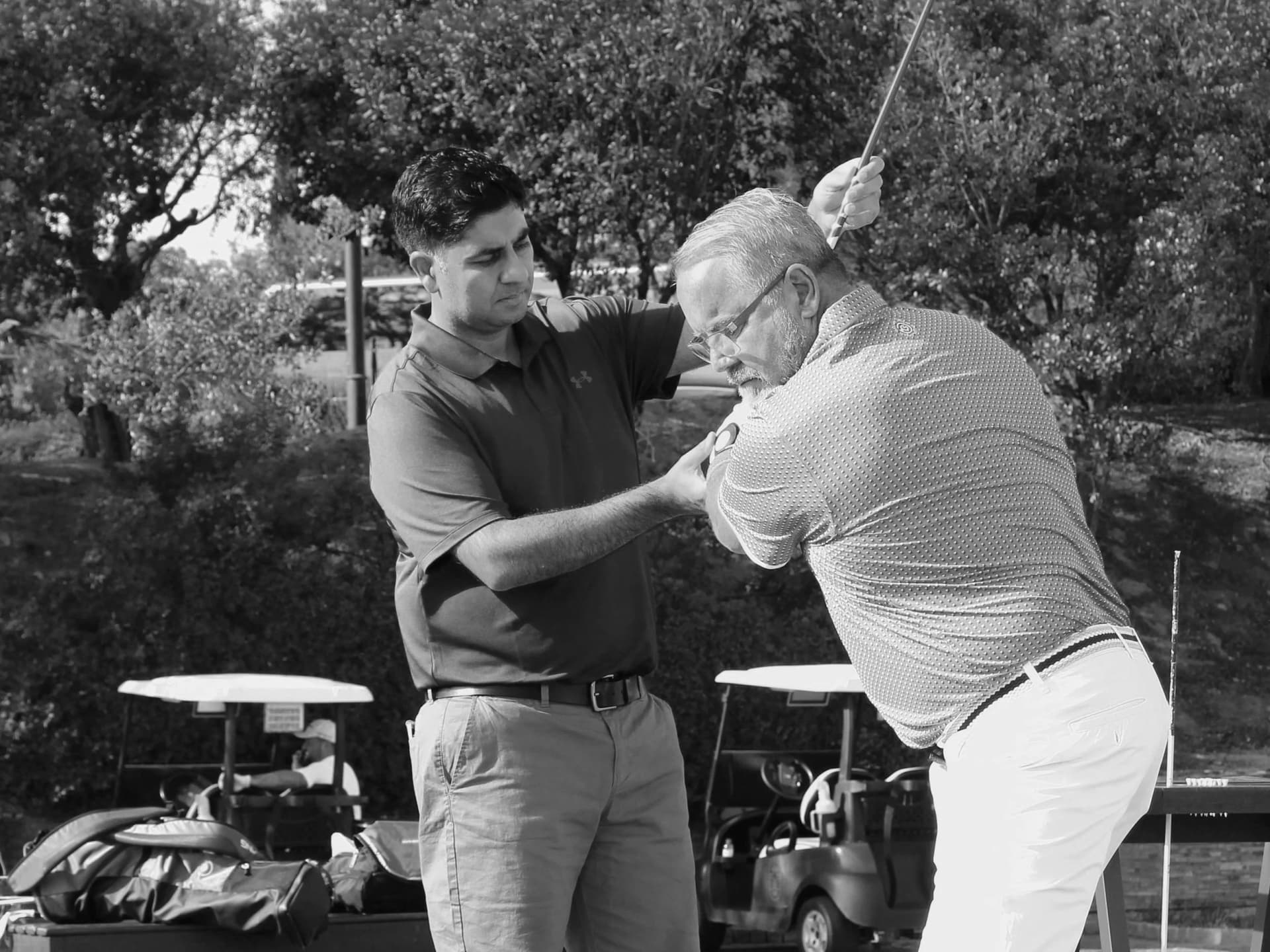
A PGA professional can assess your height, build, and natural swing after one session and point you toward exactly what you need. Buying first wastes money on the wrong equipment and builds habits that need to be unpicked later.
Most beginner lesson packages cost £50–£150 and include everything you need: clubs, balls, and expert coaching. See our guide to golf lesson vouchers for what to expect and how to choose the right option.
Beginner Golf Lessons
PGA-coached beginner packages for first-timers and those getting back into the game.


What You Need to Start
Equipment You Don't Need Yet
- Your own clubs (hire sets are available everywhere)
- Golf shoes (trainers are fine for lessons and range sessions)
- A glove (optional for beginners)
- A golf bag
What Actually Helps
- Comfortable clothes you can move freely in
- Flat-soled shoes (no heels or flip-flops)
- Sunscreen and a hat for outdoor sessions
- A willingness to look silly for a few sessions
Understanding the Basics
The Objective
Golf is played over 18 holes (or 9 for a shorter round). At each hole, you start from the tee and try to get the ball into the cup in as few shots as possible. The player with the fewest total shots wins.
The Course
A standard golf course has:
- 18 holes with par values of 3, 4, or 5
- A tee box where each hole starts
- A fairway - the mown grass leading to the green
- The green - the short-mown area containing the hole
- Hazards - bunkers (sand), water, and rough (longer grass)
Par
Par is the number of shots a scratch golfer should take at each hole. A par-4 means two shots to reach the green and two putts to finish.
| Score | Name |
|---|---|
| 3 under par | Albatross (very rare) |
| 2 under par | Eagle |
| 1 under par | Birdie |
| Par | Par |
| 1 over par | Bogey |
| 2 over par | Double bogey |
As a beginner, double bogeys and worse are completely normal. Don't worry about the scorecard for your first few rounds.
Your First Lesson: What to Expect
Your first session will cover the fundamentals:
- Grip - how to hold the club without gripping too tight
- Stance and posture - feet shoulder-width apart, slight knee flex, spine angle forward
- Alignment - feet, hips, and shoulders parallel to the target line
- The swing - starting with half swings before building to full shots
You'll spend most of the time at a driving range or practice area. Don't expect to be playing a full round after one session - that's not the point.
Read our full guide: 7 Things to Know Before Your First Golf Lesson.
Getting Your Handicap
A golf handicap is a number that represents your playing ability and lets you compete fairly against golfers of different levels. The lower your handicap, the better you play.
To get an official handicap in the UK, you need to:
- Join an affiliated golf club
- Submit three 18-hole scorecards
- Register with the World Handicap System via England Golf, Scottish Golf, or Wales Golf
Most beginners spend 6–12 months playing before applying for a handicap. It's not necessary to enjoy the game, but it's worth having once you're playing regularly. See our full guide: what is a golf handicap?.
Your First Round on a Course
Most golfers play their first proper round after 4–8 lessons. Here's what to expect:
- Play a 9-hole course first - less overwhelming, cheaper, and quicker
- Go with an experienced golfer - they'll handle etiquette and keep you moving
- Pick up your ball if you've taken too many shots - there's no shame in it; it speeds up play for everyone
- Don't worry about your score - your first goal is to complete the round
Golf Etiquette for Beginners
- Let faster groups play through
- Repair pitch marks on the green
- Rake bunkers after you've played from them
- Keep quiet when others are hitting
- Don't walk on another player's putting line
Types of Golf Courses in the UK
| Type | Description | Best for |
|---|---|---|
| Driving range | Practice facility, no full course | Complete beginners |
| Pay-and-play | No membership needed, open to all | First rounds |
| Municipal course | Local authority-run, affordable | Regular casual play |
| Private members' club | Membership required | Joining when you play regularly |
| Links course | Coastal, firm, wind-exposed | Experienced players chasing the real thing |
How Long Does It Take to Get Good?
Honest answer: it depends. Most people can play a full round without embarrassment within 3–6 months of regular lessons and practice. Getting to a 20 handicap typically takes 1–2 years of consistent play. Single figures take years of dedicated practice.
The more realistic goal for beginners: enjoy it. The social aspect, being outdoors, the occasional perfect shot - those rewards come much faster than a low handicap.
Ready to Start?
A golf lesson voucher is the best first step - no equipment to buy, no club to join, just an hour with a PGA professional who'll show you exactly what to do. Use our Gift Finder if you're buying for someone else.
Frequently asked questions
How do I start playing golf as a complete beginner in the UK?
Book a beginner lesson with a PGA professional. You don't need clubs, golf shoes, or any prior knowledge - your instructor will provide equipment and teach you everything you need. Most people take 3–5 lessons before playing a real round.
How many golf lessons do I need as a beginner?
Most beginners need 4–6 lessons to feel confident enough to play a full round. A series of 3 is enough to get the fundamentals; 6 builds proper habits. One lesson alone is a good introduction but won't make you a golfer.
Is golf expensive to learn in the UK?
Not necessarily. A group beginner lesson costs £20–£40. Private PGA coaching runs £50–£80 per session. You don't need to buy equipment to start - hire sets are available at almost every venue.
What age can you start playing golf?
There's no minimum age. Junior lessons for children aged 5 and up are available at most golf clubs, and many courses have dedicated junior programmes. Golf is also one of the few sports people can take up in their 50s, 60s, or later.
Do I need to join a golf club to play golf?
No. Pay-and-play courses and driving ranges are widely available across the UK. You only need a club membership when you want to get an official handicap or play competitions. Many beginners play happily for years without joining a club.
Founder & Tour Professional
Sandeep Grewal is a former tour professional and the founder of Swyng. He personally handles every booking and redemption.
About Sandeep