Golf Rules for Beginners: What You Actually Need to Know
The official Rules of Golf runs to hundreds of pages. Nobody expects a beginner to know all of it. What you do need is a working knowledge of the rules that come up on every round - and the confidence to ask when you're unsure.
Here's what actually matters when you're starting out.
How Scoring Works
Each hole has a par - the number of shots a scratch golfer is expected to take. Par 3, 4, or 5 depending on the hole's length.
Your score for a hole is the number of shots you actually take. Common terms:
| Score | What it means |
|---|---|
| Bogey | 1 over par |
| Par | Equal to par |
| Birdie | 1 under par |
| Eagle | 2 under par |
| Double bogey | 2 over par |
As a beginner, your scorecard will mostly be bogeys and double bogeys. That's completely normal.
The Tee Box
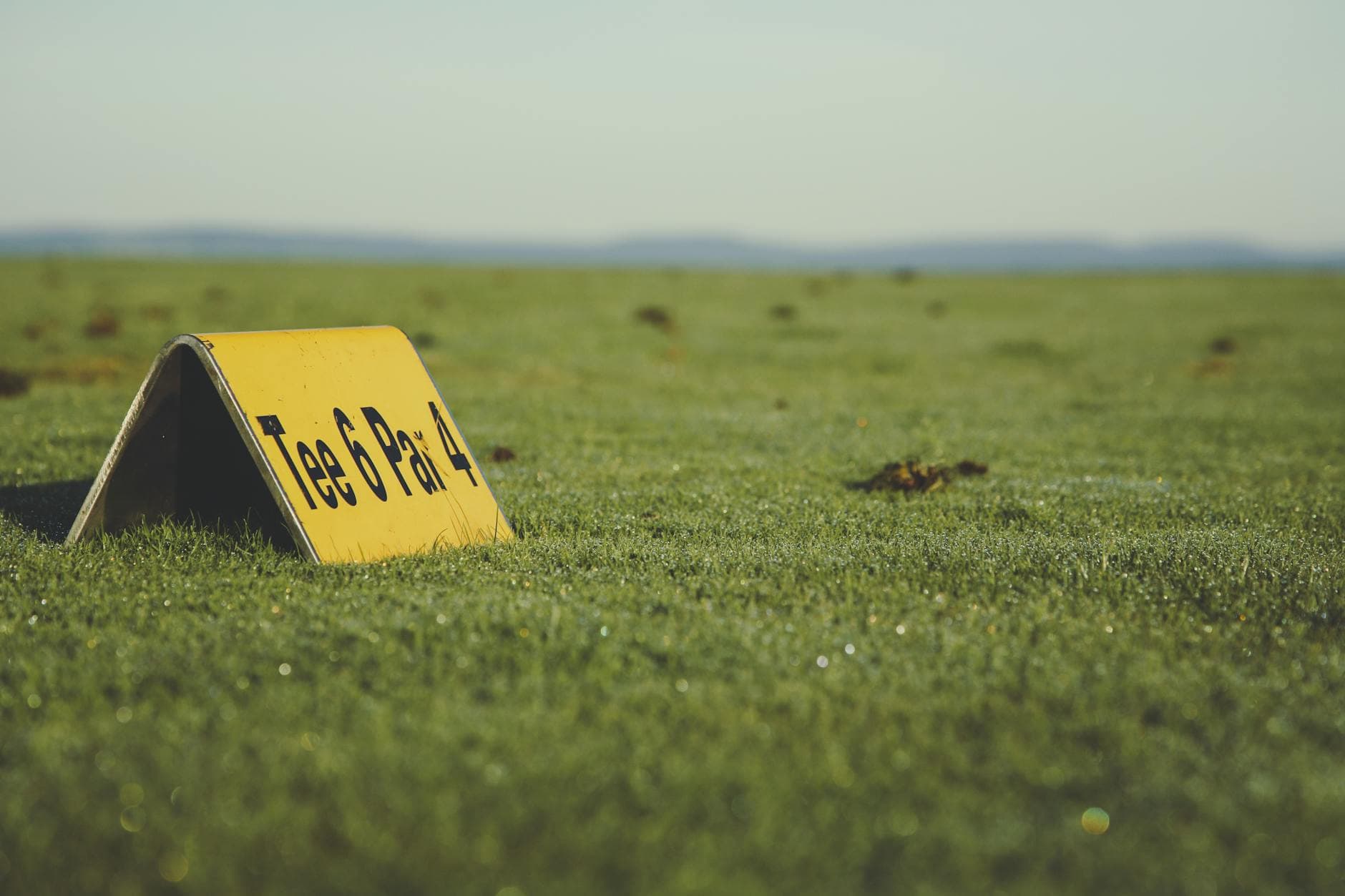
You must tee your ball between the two tee markers - not in front of them. You can tee up as far back as two club lengths behind the markers.
Hit from outside the tee box and you lose two shots in stroke play, or must re-tee in match play. It happens to beginners more often than you'd think.
Stroke and Distance
If you hit your ball out of bounds (marked by white stakes) or lose it, the rule is stroke and distance: you add a one-shot penalty and play from where you originally hit from.
In practice, most casual rounds use a local rule for lost balls: drop a ball near where it was lost and take a one-shot penalty. This keeps the game moving. Ask your playing partners what they do before you start.
Top Tip
Bring more balls than you think you need. Two or three extra sleeves is not excessive when you're starting out.
Out of Bounds and Hazards
White stakes = out of bounds. Stroke and distance applies.
Red stakes = penalty area (previously called a water hazard). You have options:
- Play the ball as it lies (if possible)
- Drop within two club lengths of where it entered the hazard, no closer to the hole - one shot penalty
- Go back on a line from the hole through where the ball entered the hazard - one shot penalty
Yellow stakes = penalty area with slightly different drop options, but red stakes rules are used more commonly at most courses.
Dropping a Ball
When the rules allow you to drop, hold the ball at knee height and drop it straight down. It must land and come to rest in the correct area. If it rolls outside, drop again.
Unplayable Lies
If your ball ends up somewhere you genuinely cannot play from - under a bush, wedged against a tree - you can declare it unplayable. You take a one-shot penalty and either:
- Drop within two club lengths of where it lies (not closer to the hole)
- Go back as far as you like on a line from the hole through the ball
- Return to where you last played from
You can declare any ball unplayable anywhere on the course except in a penalty area.
On the Putting Green
- You can pick up and clean your ball on the green - mark it with a coin first
- You cannot putt while another player's ball is on the green (in stroke play, you can leave the pin in or take it out - your choice)
- If you putt and hit the flagstick, there is no penalty
Order of Play
The player furthest from the hole plays first. On the tee, whoever had the lowest score on the previous hole goes first (this is called having the honour).
In casual play, ready golf is encouraged - if you're ready and it's safe to play, go ahead regardless of order. It keeps things moving.
The Most Important Rule
If you're unsure what to do, play two balls: finish the hole with your original ball, then play a second ball from the point where you were unsure and apply the rule you thought was correct. When you get in, ask the club professional which score counts. This is a formal option in stroke play and saves you from making a decision you later regret.
What You Don't Need to Worry About Yet
Drop shots, embedded ball rules, casual water, relief from immovable obstructions - these situations will come up eventually, but focus on the basics first. Most club golfers play their whole lives without needing to know every rule by heart.
When in doubt, ask. Every golfer you'll meet was a beginner once.
Ready to get started? Browse beginner golf lessons and experience packages at swyng.co.uk.
Founder & Tour Professional
Sandeep Grewal is a former tour professional and the founder of Swyng. He personally handles every booking and redemption.
About Sandeep