
How Many Golf Lessons Do I Need? A Beginner's Guide
Quick Answer
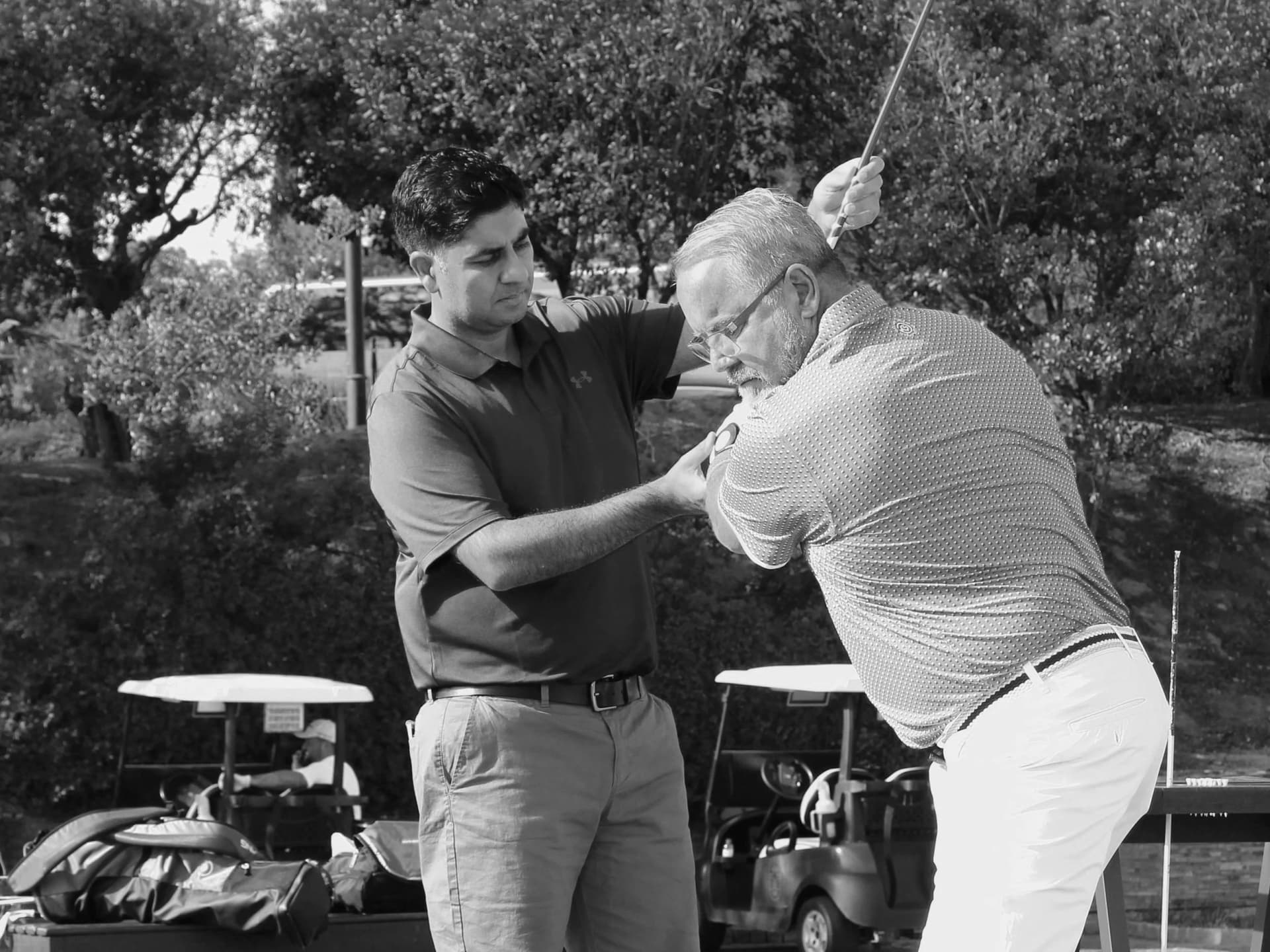
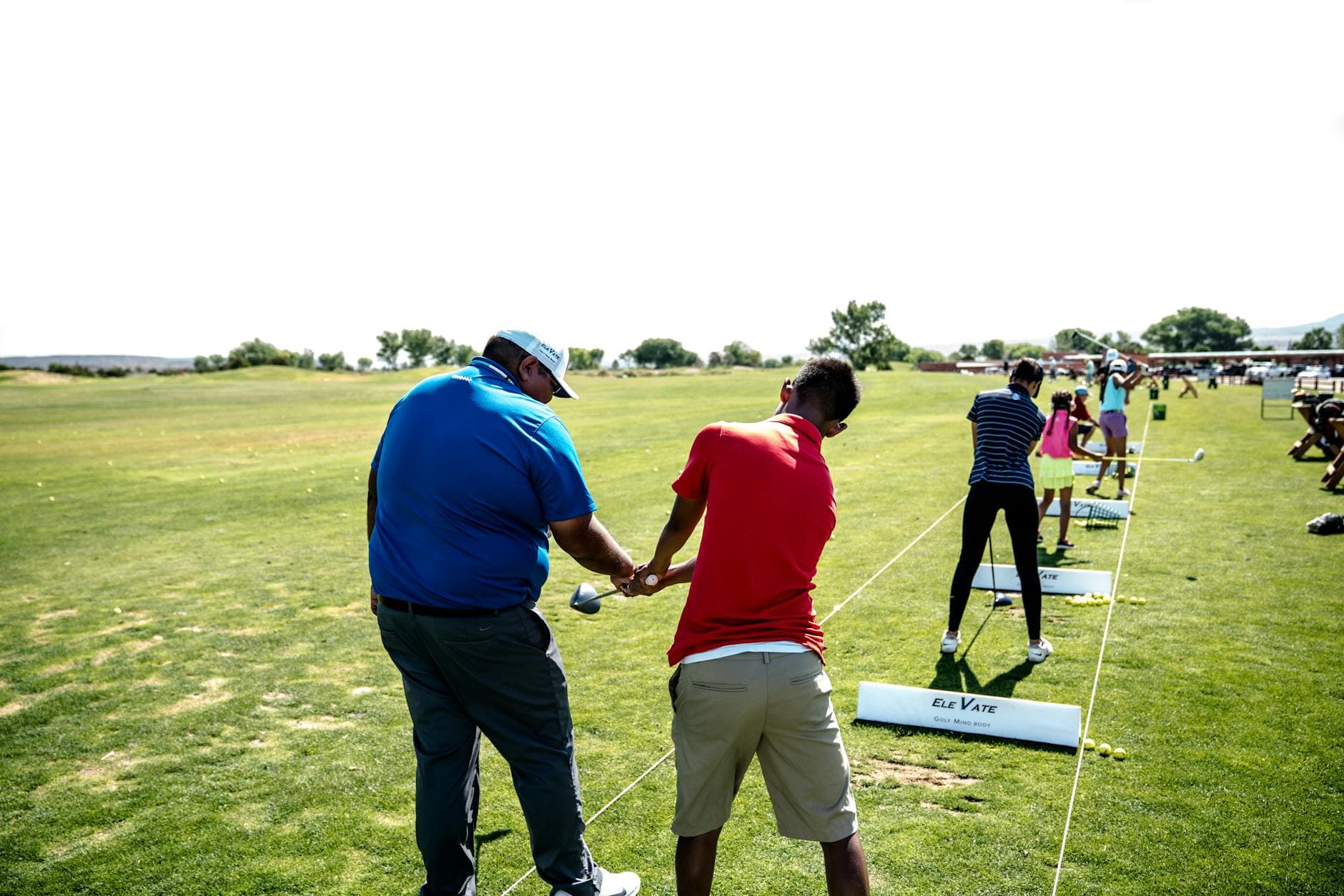
Most beginners need between 5 and 10 lessons to build a reliable basic swing. After that, occasional top-up lessons every 4–6 weeks alongside regular practice is enough to keep improving. One or two lessons won't make you a golfer — but they will show you whether you love the game enough to continue.
This is the question every beginner asks — usually after their first lesson has gone better than expected, and they're wondering how far this could go.
The honest answer is: it depends. But there are useful patterns from thousands of golfers that give a clear guide.
Straight to the Pin
Most beginners need 5 to 10 lessons to build a reliable basic swing: lessons 1-3 cover grip, stance, posture and ball position, lessons 4-6 build weight transfer and tempo, and lessons 7-10 move on to course management. After that, a top-up every 4-6 weeks plus regular practice keeps you improving. What makes the biggest difference is the right coach, consistency over intensity, playing as well as practising, and patience. A beginner coaching package with a PGA professional is the simplest way to get those first lessons booked.
What Happens in Each Lesson Stage
Lessons 1–3: The Foundations
The first few lessons cover the basics: grip, stance, posture, and ball position. These fundamentals sound simple but take time to make automatic. A good PGA professional won't rush them.
By lesson three, most beginners can make consistent contact with the ball and understand the basic shape of a swing. That's real progress — it just doesn't feel like it yet.
Lessons 4–6: Building a Swing
This is where it starts to feel like golf. You'll work on weight transfer, tempo, and starting to shape shots. Mistakes become more understandable — you'll know why the ball went left rather than just accepting that it did.
Most beginners can play a casual round by this stage, even if the scorecard is still humbling.
Lessons 7–10: Course Management Basics
Later lessons shift focus from pure mechanics to playing the game intelligently. How do you approach a hole? When do you take on a shot and when do you lay up? How do you manage a bad hole?
This is where golf becomes genuinely enjoyable. The physical is mostly in place; now you're learning the thinking game.
After 10 Lessons: What Next?
Most golfers settle into a pattern of one lesson every 4–6 weeks, combined with regular practice. This is enough to keep improving without spending every weekend on the lesson tee.
The golfers who improve fastest are the ones who practise between lessons. A lesson teaches you something new; practice makes it automatic. Without the practice, the lesson fades within a week.
What Makes the Biggest Difference
The right coach. Not all teaching pros have the same approach. If a coach's method doesn't click with how you learn, try someone else. It's not disloyalty — it's good sense.
Consistency over intensity. Ten lessons spread over six months beats ten lessons in a month followed by a six-month break. The brain needs time to absorb and consolidate new patterns.
Playing, not just practising. Range time builds technique; playing on a course builds judgment. Both matter.
Patience. Golf is genuinely difficult. The golfers who stick with it are the ones who accept the frustration as part of the experience rather than a sign they're doing something wrong.
How to Get Started
If you're buying a lesson for yourself or as a gift, a one-hour private lesson with a PGA professional is the right starting point. It's long enough to cover the basics properly and short enough that nothing gets overwhelming.
Golf Lesson Vouchers
One-to-one lessons with PGA professionals at venues across the UK.


Our golf lesson vouchers can be redeemed at venues across the UK and are valid for 12 months from purchase. The recipient books at their own convenience — no course selection needed at the time of purchase.
See also: golf lesson voucher guide, golf gifts for beginners, golf rules for beginners.
Frequently asked questions
How many golf lessons does a beginner need?
Most beginners need 5–10 lessons to develop a reliable basic swing and understand the fundamentals of the game. After that, regular lessons every 4–6 weeks help reinforce improvement and address new problems as they emerge.
Can I learn golf in one lesson?
One lesson is enough to learn the very basics — grip, stance, and a simple swing. But it won't be enough to play a full round with confidence. Think of the first lesson as the foundation, not the finish line.
Is it better to have weekly lessons or occasional ones?
For beginners, weekly or fortnightly lessons early on build habits faster. Once the fundamentals are in place, monthly lessons combined with regular practice are usually enough to keep improving steadily.
How long does it take to get good at golf?
Most people can play a full round without embarrassing themselves after about 20–30 hours of lessons and practice combined. Getting to a consistent mid-handicap level typically takes 2–3 years of regular play.
What type of lesson is best for a beginner?
A one-to-one lesson with a PGA professional is best for beginners. It means the coach can tailor every piece of advice to your specific swing, rather than teaching to the group average.
Founder & Tour Professional
Sandeep Grewal is a former tour professional and the founder of Swyng. He personally handles every booking and redemption.
About Sandeep
Explore More Gift Guides
Discover curated golf gift guides for every occasion - from birthdays to retirement and everything in between.
Browse All Guides
