
How to Make the Most of Your Time at the Driving Range
The driving range is the most misused facility in golf. Most golfers arrive, take a bucket, pull out the driver, and hit balls until the bucket is empty. They leave feeling like they have done something useful, then play exactly the same as they did before. Range time that does not have a specific purpose very rarely improves your game.
Here is how to use range sessions in a way that actually makes a difference when you get on the course.
Straight to the Pin
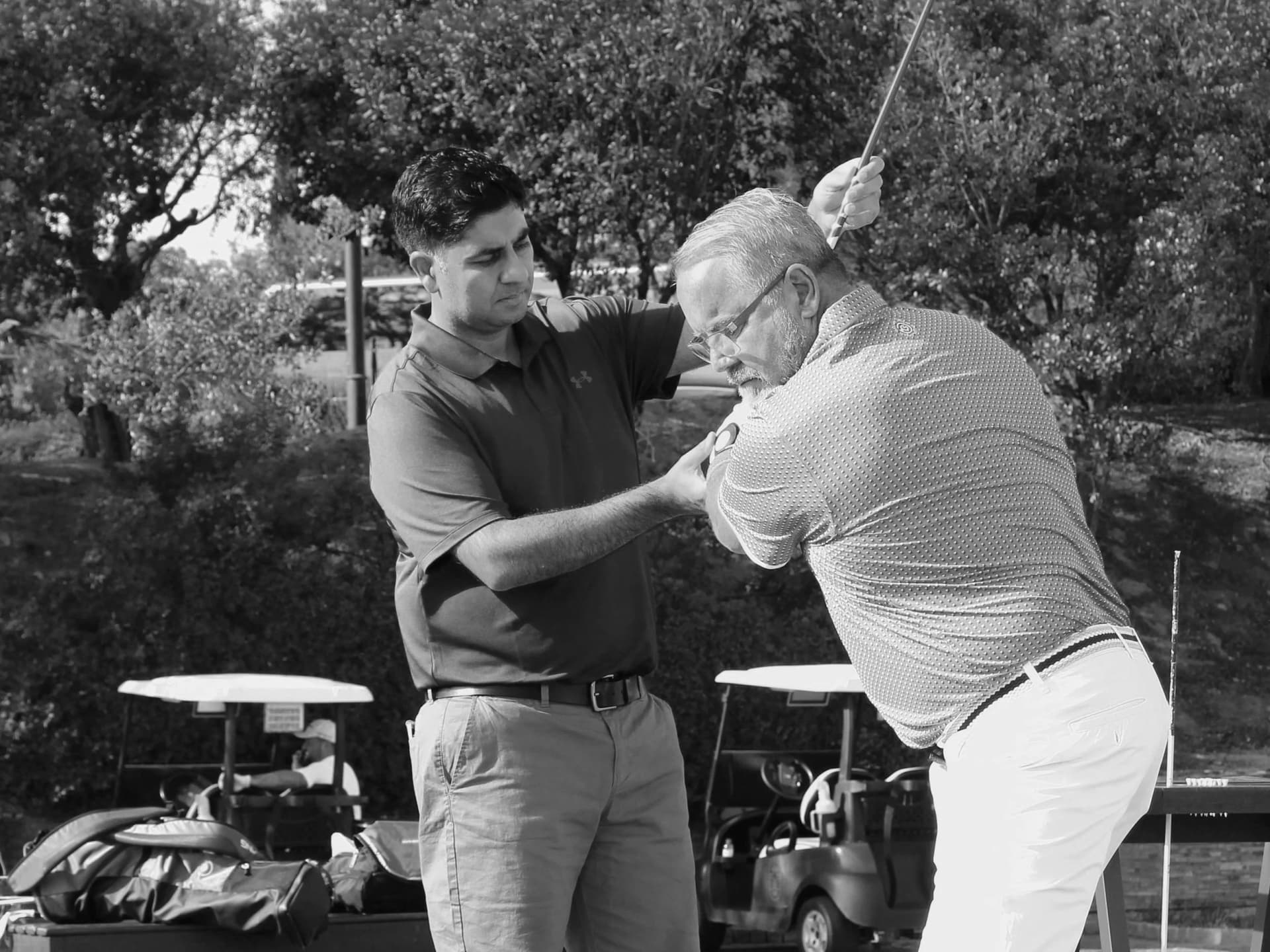
Useful range time has a purpose. Split a 45-minute session into 10 minutes warm-up, 20 minutes technical practice on one single change, and 15 minutes simulation playing holes in your head with a full pre-shot routine. Avoid hitting driver repeatedly, raking balls non-stop, and chasing a good shot. One focused session a week beats three aimless ones. To know exactly what to work on, an hour with a PGA professional points you at the right one thing.
The Difference Between Practice and Play
The first thing to understand is that there are two completely different activities you can do at a driving range, and mixing them up is the primary reason range sessions do not transfer to the course.
Technical practice: Working on a specific movement, feeling, or change to your swing. This is the time to hit fifty balls with a seven-iron focusing on keeping your head still, or to work through a takeaway drill your coach gave you. Technical practice is slow and intentional. You are not trying to hit good shots; you are trying to ingrain a movement. Repetition with focused attention is the method.
Simulation practice: Hitting shots as if you are on the golf course. Pick a target, visualise the shot, commit to a club, and execute. Evaluate the result as you would on the course. This type of practice builds the decision-making and pressure-simulation skills that are needed during a round but are absent from most range sessions.
Most amateurs only do one type: they hit balls mindlessly, which is neither technical practice nor simulation. It is just hitting balls.
How to Structure a 45-Minute Range Session
A productive 45-minute session with one specific goal:
Minutes 1 to 10: Warm-up. Start with half-swings with a short iron (8 or 9 iron). Hit ten to fifteen balls at 60-70% effort, focusing on rhythm rather than results. Move to full shots with the same club. This warms the body and grooves the basics before any technical work begins.
Minutes 10 to 30: Technical practice. Pick one specific thing to work on. One thing, not three. Trying to improve grip, posture, takeaway, and follow-through in the same session produces nothing. Hit twenty to thirty balls with one club focusing on your single change. Film yourself if possible; feedback is what makes technical practice productive.
Minutes 30 to 45: Simulation. Play a hole in your head. Imagine the first hole of your home course. What is the tee shot? Pull that club, pick a target at the range, and hit the shot with full pre-shot routine. Then imagine where that ball went, select the next club, and hit the approach. Play three or four holes this way. This switches your brain from practice mode to play mode and is the most under-used part of range sessions.
The Pre-Shot Routine Is Practice Too
One of the biggest gaps between range performance and course performance is the pre-shot routine. At the range, most golfers address the ball and swing without any consistent pre-shot process. On the course, the same golfers wonder why they feel uncertain over the ball.
Use your pre-shot routine on every shot from the warm-up phase of a range session onward. Stand behind the ball, visualise the shot, take a practice swing, and step into the address position with the same sequence every time. This makes the routine automatic, which reduces in-round thinking and pressure.
What Not to Do at the Range
Hitting driver repeatedly. Driver is the least-used club in your bag on the course and one of the most commonly over-practiced at the range. A typical round involves 14 tee shots with driver; you might hit 60 drivers in a range session. This ratio is backwards. Practice the clubs you use most, which is your wedges and mid-irons.
Raking balls continuously. Hitting a ball every fifteen seconds without a pause trains you to rush. On the course, you have two to three minutes between shots. Slow down between range shots to match the on-course rhythm.
Chasing a good shot. If you hit a poor shot, the instinctive response is to immediately hit another ball to correct it. This reinforces hurrying and reduces the quality of each individual shot. Take a breath, reset your routine, and approach the next shot fresh.
Get Lessons from a PGA Professional
If you'd like personal guidance on what we've covered, browse golf lesson vouchers across the UK. Redeemable at venues nationwide and valid for 12 months.
Golf Lesson Vouchers
One-to-one lessons with PGA professionals at venues across the UK.


How Often Should You Practice at the Range?
One focused 45-minute session per week is more beneficial than three undirected half-hour sessions. Quality of practice matters far more than quantity. If you cannot define what you are specifically working on before you start the session, you are probably not going to improve from it.
One session a week with a clear purpose, combined with actual rounds of golf, is enough practice to make meaningful improvement for most club golfers over a season.
Founder & Tour Professional
Sandeep Grewal is a former tour professional and the founder of Swyng. He personally handles every booking and redemption.
About Sandeep
Explore More Gift Guides
Discover curated golf gift guides for every occasion - from birthdays to retirement and everything in between.
Browse All Guides
